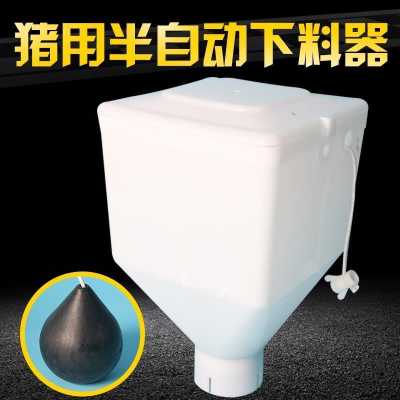
Pig breeding equipment
Semi automatic feeder
A semi-automatic material feeder is a device that can achieve semi-automatic material feeding. The following is a detailed introduction to it: 1. Definition and Function Definition: A semi-automatic material feeder is a mechanical device that is between m...
Send us your order quantity and destination port, and we will reply with a clear quotation.
A semi-automatic material feeder is a device that can achieve semi-automatic material feeding. The following is a detailed introduction to it:
1. Definition and Function
Definition: A semi-automatic feeder is a mechanical device that falls between manual and fully automatic feeding equipment. It can reduce manual operations to a certain extent and improve feeding efficiency.
Function: Mainly used to transport materials from storage containers (such as material towers, silos, etc.) to designated locations (such as pigsty material troughs, processing production lines, etc.) to meet production or feeding needs
2. Working principle
Starting method: Semi automatic feeders usually require manual starting, such as through buttons, switches, or remote controls.
Unloading process: After startup, the mechanical structures inside the equipment (such as chains, scrapers, screw conveyors, etc.) begin to operate, transporting materials from the storage container to the unloading port
Stop method: After the cutting is completed, the equipment will automatically stop or manual stop is required
III. Structural Features
Storage Container: Used to store materials to be unloaded, such as stainless steel material towers.
Conveyor mechanism: such as chains, scrapers, screw conveyors, etc., used to transport materials from storage containers to the discharge port
Discharge port: The material is discharged from the conveying mechanism and enters the designated position
Control device: such as buttons, switches, remote controllers, etc., used to control the start and stop of equipment
Fourth, Application Scenarios
Pig Farm: Used to transport feed from the feeding tower to the feeding trough in the pigsty, meeting the feeding needs of pigs.
Industrial production: used to transport raw materials or semi-finished products from storage containers to processing production lines, improving production efficiency
5. Advantages
Reduce manual operation: Compared to manual feeding, semi-automatic feeders can reduce the workload of manual handling and material feeding, and lower labor intensity.
Improve cutting efficiency: The equipment can continuously and stably transport materials, increasing cutting speed and efficiency
Careful control: Through the control device, the amount and time of feeding can be carefully controlled to avoid waste and excessive feeding
VI. Precautions
Regular maintenance: Regularly check the conveying mechanism, feeding port, control device and other components of the equipment to confirm their normal operation.
Related Products

Disposable Pig Insemination Bottle
Disposable Pig Insemination Bottle from Cangzhou Haohong Livestock Equipment.Made of food-grade sof
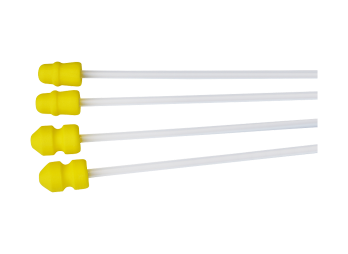
Disposable Pig Insemination Catheter
Disposable Pig Insemination Catheter from Cangzhou Haohong Livestock Equipment.Made of soft, non-to
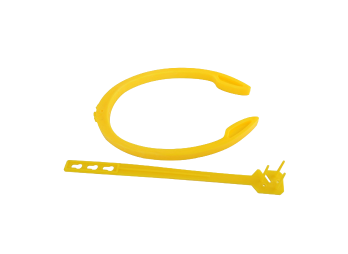
Semen clamp
Semen Clamp from Cangzhou Haohong Livestock Equipment.Made of high-toughness yellow plastic, adjust
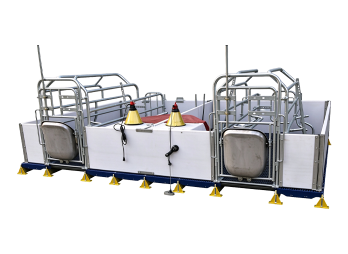
European sow farrowing crate
The sow stall is adjustable from 60 cm to 70 cm to suit sows of different body sizes, which greatly
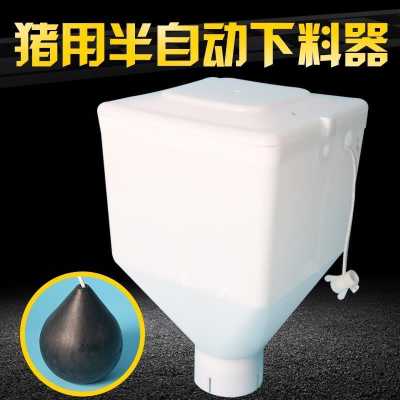
Semi automatic feeder
A semi-automatic material feeder is a device that can achieve semi-automatic material feeding. The f
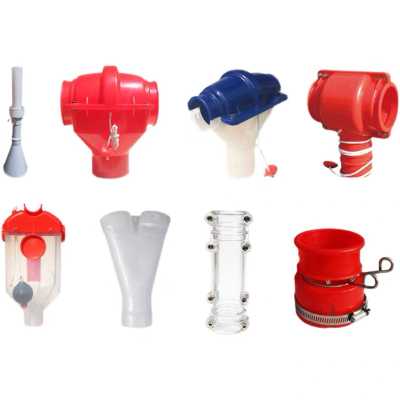
Breeding material offline feeding tee
The feeding tee of the breeding feed line is an important accessory in the automatic feeding system
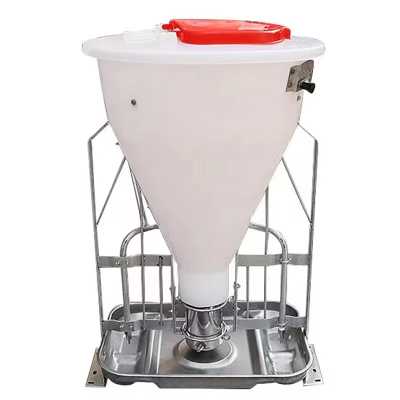
Automatic feeder for pig food trough
The pig feeding trough automatic feeder is an automatic feeding equipment used in pig farms, which h
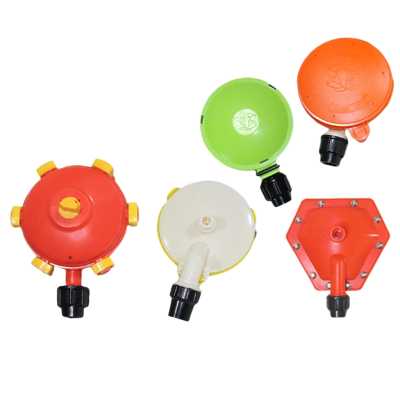
Automatic water level controller for sows
The automatic water level controller for sows is a device used in the sow breeding process to autom
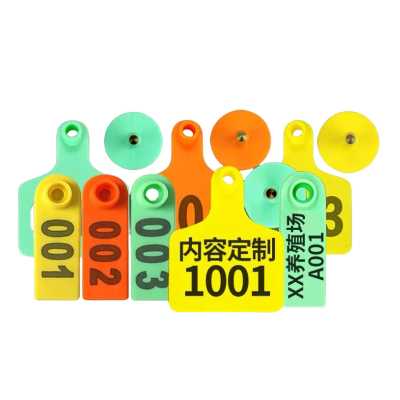
Pig, cow, and sheep with letterless epidemic prevention ear tags
Pig, cow, and sheep epidemic prevention ear tags are important tools used to identify animal identi